Have you ever seen a photo that makes your mouth water? Welcome to the world of food photography! It’s not just about capturing delicious dishes, but presenting them in a way that makes them almost tangible. Whether for Instagram or the family album, with a few tricks, you too can showcase your dishes in the best light.
Key Insights
- Natural light is your best friend in food photography.
- Avoid artificial lighting to prevent unnatural colors.
- Use props to bring your pictures to life.
- The right composition can make all the difference.
- Edit your photos to bring out the best in them.
The Magic of Light in Food Photography

Light is the secret wand in food photography. Without the right light, even the tastiest dish remains inconspicuous. Here you will learn how to make the most of the light.
Using Natural Light
Natural light is your best friend. Place your dishes near a window to take advantage of the soft, even light. In the morning or afternoon, the light is particularly gentle and flattering. However, avoid direct sunlight as it can cast harsh shadows. If the light is too strong, simply hang a thin curtain or a white cloth to soften it.
Avoiding Artificial Lighting
Try to avoid artificial light whenever possible. Lamps and lights can often make food look unnatural. If you rely on artificial light, choose warm white bulbs that come closest to natural light. And remember to control the shadows so they don’t appear too harsh.
Reflectors for Soft Shadows
Reflectors are super handy for brightening up shadows. You can buy special photo reflectors or simply use a piece of white cardboard or Styrofoam. Place the reflector opposite the light source to brighten the shadows and achieve a balanced image. This way, you can optimally highlight the textures and colors of your food.
Light can completely change the mood of your photo. Play around until you find the perfect look. It’s amazing how a little light can make a difference.
Creative Props for the Perfect Look
Finding Flea Market Treasures
If you’re looking for unique props, flea markets are a true paradise. Here you can find everything from antique dishes to unusual cutlery pieces that can give your photo that certain something. Unique finds give your images character and prevent them from looking too sterile. Take your time to browse the stalls and let your imagination run wild to discover the perfect pieces.
Stylishly Using Dishes and Cutlery
The right dishes can give your photo the finishing touch. Choose plates and cutlery that emphasize the colors and textures of your dish. Small details like a golden spoon or a rustic wooden plate can work wonders. Make sure the props don’t distract from the food but complement it. A good rule is less is more – add accents without overloading the main subject.
Decorative Elements Like Herbs and Spices
Herbs and spices are not just for cooking; they are also fantastic photo accessories. Fresh herbs like basil or rosemary bring color and life to your image, while spices like cinnamon sticks or star anise add structure. Sprinkle a few leaves or grains around the main dish to frame it and give it depth. These small details can make the difference between a good and a great photo.
Creative props are the salt in the soup of food photography. They give your images personality and help tell a story. Experiment and find your own style – the possibilities are endless!
The Art of Composition

Golden Ratio and Symmetry
When photographing food, the Golden Ratio is your best friend. This ancient rule helps you find the perfect balance in your image. Imagine dividing your image into nine equal parts by drawing two horizontal and two vertical lines. Your main dishes or elements should be placed at the intersections of these lines. This creates a harmonious and appealing image. Symmetry is also a powerful tool, but be careful – too much of it can be boring. A little asymmetry can work wonders and make the image more interesting.
Depth of Field for Focus
The depth of field is a magical tool to direct the focus to specific parts of your image. Imagine you have a delicious lasagna in the foreground and a blurred glass of red wine in the background. This directs the viewer’s gaze exactly where you want it – on the lasagna! Experiment with your camera’s aperture to keep the foreground sharp and the background soft and blurry. This way, you achieve this great effect.
Playing with Perspectives
Perspective can totally change an image. Stand on a chair and shoot from above or crouch down and capture the food from a low angle. Different perspectives can make the same dish look completely different. Try different angles to find out what works best. Sometimes the most unusual angle is the most exciting. Let your creativity run wild and be bold in trying new things!
Timing is Everything: Ensuring Fresh Shots
Preparation is Key
Before you start photographing, make sure everything is ready. Food quickly loses its freshness, so it’s important that your setup is ready before the food hits the table. Imagine you have everything arranged, from the tablecloth to the props, and then you bring the main dish into play. This way, everything stays crisp and fresh.
Speed with Fresh Ingredients
When working with fresh ingredients, every second counts. The crunchy bell pepper or juicy salad only looks appetizing when fresh. So, once everything is prepared, grab your camera and get started. Here’s a little tip: Keep your camera settings ready and take a few test shots before the food lands on the table.
The Perfect Moment to Shoot
Catching the perfect moment can make the difference between a good and a great photo. Pay attention to details like the shine of a sauce or the steam rising from a hot dish. These small moments give your images that certain something. And if you choose the right time of day, you can make the most of natural light to highlight the freshness of your dishes.
Timing is everything in food photography. It’s not just about when you press the shutter, but also how you capture the moment when the food looks its best.
Choosing the Right Equipment
Macro Lenses for Details
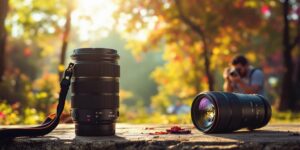
If you really want to dive into the world of food photography, a macro lens is your best friend. These lenses allow you to get extremely close to your subject and capture the finest details. Imagine being able to perfectly capture the texture of a crispy bread or the droplets on a fresh lettuce leaf. This is the moment when your photos really come to life!
Tripods for Stability
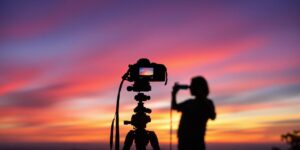
A tripod is not just another piece of equipment that takes up space. It’s your helper for sharp, clear images, especially in low light conditions. With a tripod, you can keep your camera steady and focus fully on the composition. No shaking, no blurring – just perfect shots. A tip: Use a remote shutter release to avoid even touching the camera.
Smartphone or Camera?
The big question: Is your smartphone enough, or do you need an expensive camera? The answer is: It depends. Modern smartphones are equipped with amazing cameras that are sufficient for many situations. For spontaneous shots or when you’re on the go, they are ideal. But if you want full control over aperture, shutter speed, and ISO, then a DSLR or mirrorless camera is the better choice. Consider what works best for you and what you want to invest in.
The best camera is the one you have with you.” Whether smartphone or DSLR, the important thing is to make the most of your equipment and get creative.
Food Styling: Less is More
Less is often more, especially when it comes to food styling. Your main dish should always be the focus. Too many props or decorations can distract from the actual star of the image. Use only what is necessary to highlight the dish, such as simple white dishes or a subtle background.
- Choose neutral colors for dishes and cutlery to highlight the food.
- Use negative space to lighten the image.
- Spoons and toothpicks can help place sauces and fine details stylishly.
Colors are powerful! A well-placed splash of color can change everything. A green sprig of basil on red tomato sauce? Perfect! Make sure the colors not only harmonize but also create a contrast that makes the dish look lively.
- Combine warm and cool colors for more dynamics.
- Use fresh herbs or spices as a natural color accent.
- Pay attention to the balance between too much and too little color.
Textures make an image exciting. A crispy bread, a creamy soup – the structure of the food should be visible and almost tangible. Play with different surfaces and materials to emphasize the texture of the food.
- Use different light sources to highlight textures.
- Experiment with the arrangement of the food to create depth.
- Remember that the background can also have a texture that enriches the image.
Less is more – this applies to both styling and post-processing. An overloaded image can quickly look chaotic and lose focus. Keep it simple and let the food speak for itself.
Image Editing for the Finishing Touch
Adjusting Saturation and Contrast
The right editing can take your food photos from “okay” to “wow.” Adjusting the saturation a bit and increasing the contrast can make the colors look much more vibrant. But be careful: Don’t overdo it! Too much editing can quickly look unnatural.
Correcting White Balance
White balance is super important to realistically represent colors. A warmer white tone often makes the food look more appetizing. Imagine photographing a delicious dish, and it suddenly looks pale and unappetizing. Nobody wants that! So, better check the white balance once more.
Removing Unnecessary Elements
Sometimes something sneaks into the picture that doesn’t belong there. Be it a crumb or a distracting shadow. Get rid of it! Use editing programs to remove such elements and focus on the essentials. In the end, the most important element on the plate should shine.
Editing is like the salt in the soup – properly dosed, it makes the image perfect. But too much of it, and the whole impression is gone.
Conclusion
So, that’s it! Now you have a bunch of tips and tricks to take your food photography to the next level. Remember, it’s not just about the perfect picture, but also about telling a story and evoking emotions. Whether you’re out with your smartphone or an expensive camera, the important thing is to have fun and unleash your creativity. So grab your camera, try it out, and show the world your culinary masterpieces. And who knows, you might inspire someone to pick up the cooking spoon themselves. Have fun photographing and bon appétit!
Frequently Asked Questions
How can I take good food photos at home without expensive equipment?
You don’t need expensive equipment. A smartphone with a good camera is often enough. Use natural light and experiment with different angles.
Why is natural light better for food photography?
Natural light provides soft shadows and brings out the colors of the food better. Artificial light can often create harsh shadows.
What are simple tricks to make my food photos more interesting?
Use colorful plates or interesting backgrounds. Make sure the colors in the image harmonize. Small details like herbs can also help.
How important is image editing in food photography?
Image editing can help bring out the best in your photos. You can adjust colors and remove unwanted elements, but don’t overdo it.
What role does composition play in food photography?
A good composition directs the viewer’s gaze. Use the golden ratio or symmetry to make the image appealing.
Can I take good food photos in dark rooms?
Yes, with the right technique. Use reflectors to direct the light or a lamp with soft light to reduce shadows.